
A Memory That Haunts Me
In the midst of COVID’s darkest days, my cousin shared a story from a hospital in Bangladesh that still brings tears to my eyes. A small room, sterile and heartbreakingly silent, save for the gut-wrenching screams of a 10-year-old girl. Her father had just died, leaving her as the sole protector of her 4-year-old brother. Their mother had passed away months earlier.
The little boy, too young to comprehend the depth of his loss, clung to his sister and tried to snatch a piece of bread. His simple childhood hunger contrasted sharply with her overwhelming grief. Even now, years later, I cannot recount this story without my voice breaking.
This was Covid’s true face – not a statistic, but a human story of profound loss and unexpected resilience.

My Own Journey of Hope
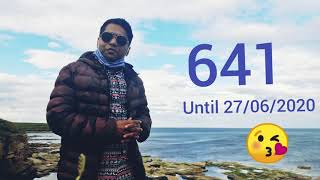
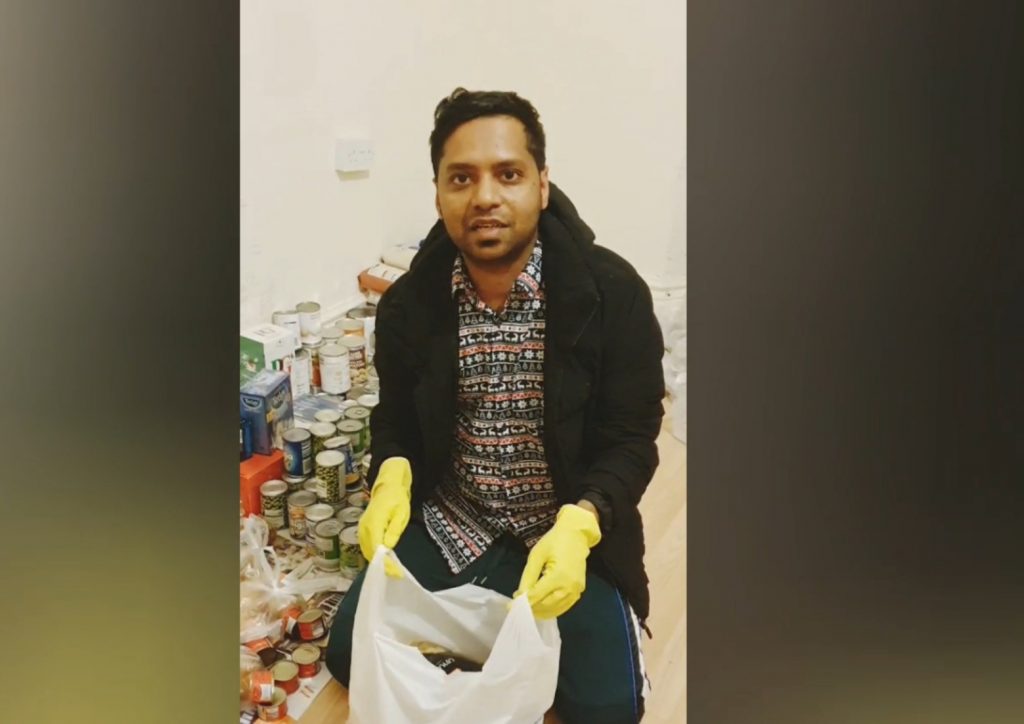
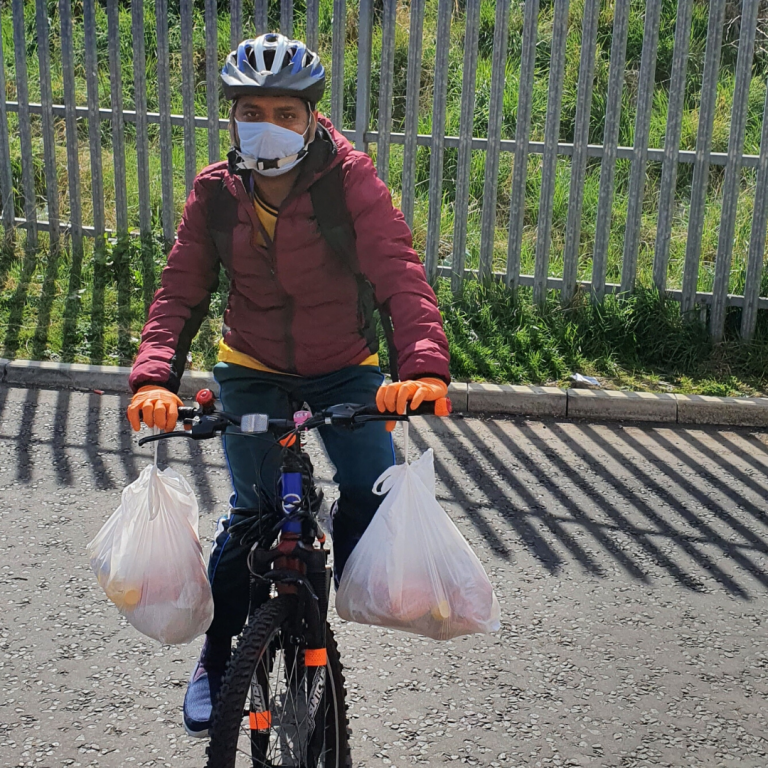
Three days before the national lockdown, I – an asylum seeker surviving on £39 weekly – started MD’s Little Help Food Bank in Newcastle. My motivation was simple yet urgent: fear for the most vulnerable.
By week ten of the lockdown, I had delivered 409 food packages. Each parcel was more than sustenance; it was a lifeline, a quiet act of rebellion against isolation and despair.
The Unravelling of Compassion
Five years on, that moment of collective solidarity feels like a distant memory.
The government that once clapped for key workers now systematically dismantles the very communities that kept society functioning during its darkest hours. The February 2025 citizenship guidance is a brutal testament to this betrayal: refugees who risked everything are told they can never truly belong.
Institutional Failures Laid Bare
The Covid inquiry has revealed a landscape of governmental failure that transcends mere incompetence:



Delayed lockdowns potentially cost tens of thousands of lives
Misleading claims about PPE procurement
Fabricated testing numbers
Downing Street parties while citizens made unprecedented sacrifices
Dr. Rachel Clarke, a palliative care doctor who witnessed the pandemic’s frontline, captured this betrayal with devastating clarity. She spoke of “the sheer amount of misinformation and spin and downright lies” – a government claiming the NHS was coping when it wasn’t, insisting there was no rationing when resources were desperately stretched.
The Continuing Assault on Vulnerability
The systematic dismantling of support continues beyond immigration policies:
Up to 1.2 million people with disabilities face losing critical support
Personal Independence Payment (PIP) assessments have become a labyrinthine system designed to deny, not support
An estimated 800,000 to 1.2 million people will lose between £4,200 and £6,300 annually
Lessons in Collective Humanity
During those initial months of uncertainty, we witnessed humanity’s extraordinary potential:
Mutual aid groups emerged spontaneously
Communities supported each other with remarkable purpose
People developed a shared identity based on collective care
My mother, a headteacher in Bangladesh who faced profound discrimination, always taught me that education and compassion are transformative tools. She would be heartbroken to see how quickly we’ve abandoned the lessons of collective support.
The Road Ahead: A Blueprint for Renewal
We cannot allow this erosion of solidarity to continue. Our path forward requires:
Systemic Compassion
Reinstate robust support systems for vulnerable communities
Create genuine pathways for integration and participation
Develop policies that recognise human dignity
Community Rebuilding
Invest in mutual aid networks
Support grassroots community organisations
Create spaces for genuine dialogue across social divides
Institutional Accountability
Implement transparent oversight of governmental decision-making
Develop mechanisms to prevent misinformation
Create channels for genuine public input
A Moment of Review
What kind of society are we constructing?
A fortress of exclusion and indifference?
A community of compassion and genuine inclusion?
The pandemic showed us our potential for extraordinary kindness. During those challenging months, we saw the best of humanity – spontaneous support, collective care, a profound understanding that our survival depends on one another.
Now, we must choose to honour that potential.
Are we brave enough to walk together again?
The choice remains ours……
— MD Mominul Hamid

References
Personal and News Sources
Graham, Hannah. “North East people: The asylum seeker, law student and community stalwart who made Newcastle proud”. Newcastle Chronicle, 2 December 2021.
BBC North East & Cumbria. “Slavery survivor Mominul Hamid training to be lawyer”. 18 October 2021.
“Law student recognised for acts of kindness”. University publication, 8 November 2021.
International Rescue Committee (IRC) Profile: “Md Mominul Hamid: Asylum Seeker. Food Distributor. Community Champion.”
Governmental and Pandemic Analysis
Colegrave, Stephen & Jukes, Peter. “The Government’s Ten Biggest Coronavirus Lies Unmasked”. July 2020.
Guardian Analysis of Covid Reflections (March 2025)
BBC News Report on Refugee Citizenship Rules (February 2025)
Resolution Foundation Welfare Impact Assessment (March 2025)
Academic and Medical Perspectives
Clarke, Rachel. “Breathtaking: Inside the NHS in a Time of Pandemic”. Memoir and TV adaptation.
Reicher, Stephen. Covid-19 Social Psychology Analysis (2025)
NHS and Covid Inquiry Documentation (2020-2025)
Personal Documentation
MD’s Little Help Food Bank Records
NHS Vaccination Volunteer Programme Contributions
Migration and Justice Forum Collaboration Reports


